

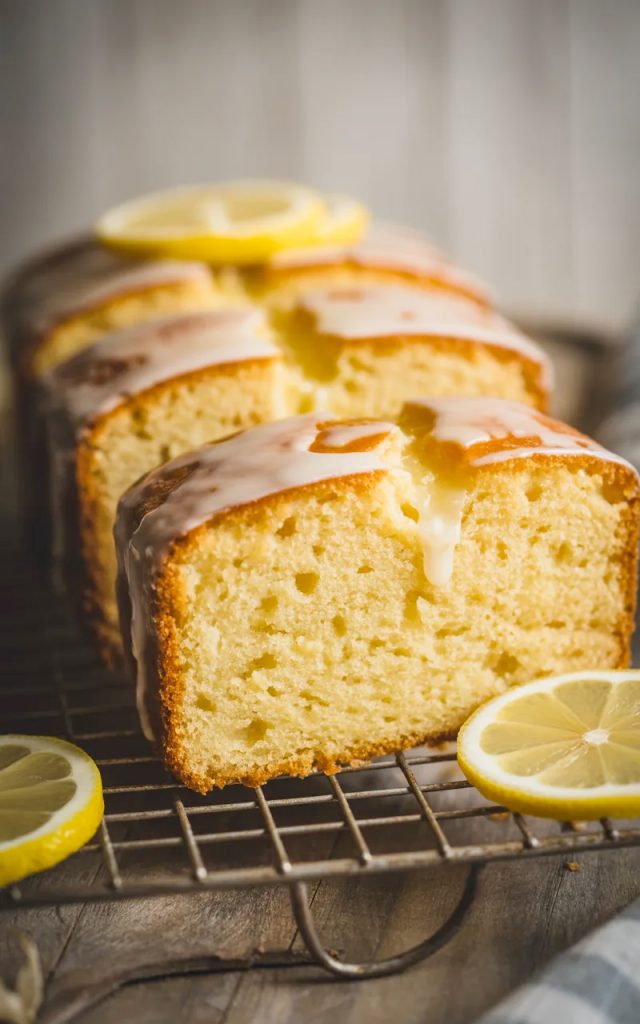

There is something genuinely thrilling about a recipe that has been passed around, cherished and remade for over a hundred years. Most recipes come and go — trends change, ingredients fall in and out of fashion, what feels exciting one decade feels dated the next.
And then there are the ones that just endure. This 1920s Ritz Carlton lemon pound cake is firmly in that second category and the moment you taste it you understand exactly why.
The story goes that this recipe originated in the kitchens of the Ritz Carlton hotel in the 1920s when the standard for luxury hospitality was extraordinarily high and every detail of a guest’s experience was considered with care.
A pound cake that came out of those kitchens had to be exceptional — not just good, not just pleasant, but the kind of thing that lingered in your memory long after the meal was over. This cake does that.
It has a dense, close crumb that is somehow still incredibly tender, a deeply buttery richness that feels genuinely indulgent, and a lemon flavor that runs all the way through it from the zest in the batter to the lemon syrup soaked into the warm cake straight out of the oven.
I have made a lot of pound cakes over the years and this one is different. The technique is slightly more involved than a standard pound cake but every step has a reason and the result justifies every minute of care you put into it.
Whether you are making this for a special occasion, a weekend treat, or just because you want to bake something that makes the whole house smell incredible — this is the recipe to reach for.
Why you’ll love this recipe
- A century-old recipe that has earned its reputation. When something has been made and remade and passed down for over a hundred years it is because it is genuinely that good. This cake has been proving itself since the 1920s and it is not slowing down.
- That lemon syrup soak changes everything. Pouring a warm lemon syrup over the cake while it is still hot drives the lemon flavor all the way through the crumb and creates a slightly glossy, slightly sticky exterior that is absolutely irresistible.
- Dense but never heavy. This cake has that classic pound cake density that makes every slice feel substantial, but the technique keeps it tender and moist rather than dry or heavy. It is a difficult balance to strike and this recipe nails it.
- Keeps beautifully for days. Unlike many cakes that dry out quickly, this pound cake actually gets better over the first day or two as the lemon syrup continues to permeate the crumb. It is arguably better on day two than the day it is baked.
- Looks stunning with minimal effort. Sliced on a wire rack with a few lemon rounds arranged alongside it this cake looks like it belongs in a hotel dining room. The presentation does the work for you.
- Perfect for gifting and entertaining. This cake travels well, slices cleanly, keeps for days and impresses absolutely everyone. It is one of the best things you can bring to a gathering or give as a homemade gift.
Ingredients with key notes
For the pound cake
- 1 cup unsalted butter, softened to room temperature — The quality and temperature of your butter matters more in this recipe than in almost any other. Use a good quality unsalted butter and make sure it is genuinely softened — not melted, not cold, but properly softened so that it holds an indent when pressed and creams to a light fluffy consistency. Cold butter will not cream properly and the texture of the cake will suffer for it.
- 2 cups granulated sugar — A full two cups which gives the cake its characteristic sweetness and helps create that tight, tender crumb. Do not reduce the sugar — it plays a structural role in the cake beyond just sweetness.
- 4 large eggs, room temperature — Room temperature eggs are essential here. Cold eggs cause the batter to curdle and break when added to the creamed butter and sugar which ruins the emulsion that gives the cake its smooth, even texture. Take them out of the refrigerator at least 30 minutes before baking.
- 3 cups all-purpose flour — Measured by spooning into the measuring cup and leveling off. Never scoop directly from the bag — compacted flour makes the cake dense and dry. For an even more tender crumb substitute 1/2 cup of the all-purpose flour with cake flour.
- 1/2 tsp baking soda — Just a small amount to give the cake a little lift without making it cakey or light — this is a pound cake and density is part of the appeal.
- 1/2 tsp salt — Balances the sweetness and enhances the lemon flavor throughout the cake.
- 1 cup full fat sour cream — The secret weapon in this recipe. Sour cream adds incredible moisture and tenderness to the crumb and its mild acidity works with the baking soda to give the cake just enough lift. Do not substitute with low fat sour cream or plain yogurt — full fat sour cream is what makes this cake as tender as it is.
- 2 tbsp fresh lemon zest — Use a microplane grater and zest the lemons before juicing them. Lemon zest contains the essential oils which carry the most intense, fragrant lemon flavor. Two full tablespoons sounds like a lot and it is — this is intentional.
- 3 tbsp fresh lemon juice — Added to the batter itself for an additional layer of lemon flavor. Fresh only — bottled lemon juice will not give you the same bright, vibrant result.
- 1 tsp pure vanilla extract — Adds a warm background note that complements the lemon rather than competing with it.
For the lemon syrup soak
- 1/2 cup granulated sugar — Combined with the lemon juice to make a simple syrup that soaks into the warm cake and creates that characteristic glossy, intensely lemony exterior.
- 1/3 cup fresh lemon juice — The primary flavor of the syrup. This needs to be fresh squeezed — the difference between fresh and bottled lemon juice is especially pronounced in a simple syrup where there is nothing to mask it.
- 1 tsp lemon zest — Added to the syrup for an extra layer of lemon complexity beyond just the juice.
Optional for serving
- Powdered sugar dusted over the top
- Thin lemon rounds or half moons for garnish
- Lightly sweetened whipped cream on the side
- Fresh berries alongside each slice
Step-by-step instructions
Step 1 — Preheat and prepare the pan
Preheat your oven to 325°F (165°C). This lower temperature is deliberate — pound cakes bake low and slow to ensure the interior cooks through completely before the exterior browns too much. Grease a 9×5 inch loaf pan thoroughly with butter then dust with flour, tapping out any excess. Alternatively line with parchment paper leaving an overhang on the sides for easy removal. This step is important — a well prepared pan is the difference between a cake that releases cleanly and one that tears apart coming out.
Step 2 — Cream the butter and sugar
In a large mixing bowl beat the softened butter on medium speed for about 2 minutes until smooth and slightly fluffy. Add the granulated sugar and continue beating on medium-high speed for a full 4–5 minutes until the mixture is very light, pale and fluffy. This extended creaming time is one of the most important steps in the recipe — it incorporates air into the batter that gives the cake its lift and creates that fine, tight crumb that makes a pound cake different from other cakes. Do not rush this step.
Step 3 — Add the eggs
Add the room temperature eggs one at a time beating well for about 30 seconds after each addition before adding the next. Adding them one at a time gives the emulsion time to form properly and prevents the batter from curdling. If the batter looks slightly broken or grainy at any point add a tablespoon of flour and beat for another 30 seconds — it will come back together.
Step 4 — Add the lemon and vanilla
Add the lemon zest, fresh lemon juice and vanilla extract to the batter and mix until just combined. The batter may look slightly curdled at this point after adding the lemon juice — this is normal and will resolve once the dry ingredients are incorporated. Do not panic.
Step 5 — Alternate the dry ingredients and sour cream
In a separate bowl whisk together the flour, baking soda and salt. With the mixer on low speed add the dry ingredients in three additions alternating with the sour cream in two additions — flour, sour cream, flour, sour cream, flour. Begin and end with the flour. Mix only until just combined after each addition. Overmixing at this stage develops gluten and makes the cake tough. The final batter should be thick, smooth and glossy.
Step 6 — Bake the pound cake
Pour the batter into the prepared loaf pan and smooth the top with a spatula. Gently tap the pan on the counter twice to release any large air bubbles. Bake at 325°F for 60–65 minutes until a toothpick or skewer inserted in the center comes out clean or with just a few moist crumbs. The top should be deep golden brown with a characteristic crack running down the center — this crack is normal and expected in a pound cake, it is not a sign that anything went wrong. If the top is browning too quickly before the center is done tent loosely with foil and continue baking.
Step 7 — Make the lemon syrup
About 10 minutes before the cake comes out of the oven combine the sugar, fresh lemon juice and lemon zest in a small saucepan over medium heat. Stir until the sugar is completely dissolved and the syrup is clear, about 2–3 minutes. Do not let it boil. Remove from heat and set aside. You want it warm and fluid when it goes on the cake — not cold and set.
Step 8 — Soak the cake with lemon syrup
Remove the cake from the oven and let it cool in the pan for exactly 10 minutes — no longer. While the cake is still hot and in the pan use a toothpick or skewer to poke holes all over the top surface of the cake going all the way down to the bottom. Pour the warm lemon syrup slowly and evenly over the top of the cake letting it sink into the holes and absorb into the crumb. Pour it in stages rather than all at once to give the cake time to absorb each addition. Let the cake cool completely in the pan before removing — at least 1 hour.
Step 9 — Remove and serve
Once completely cooled run a knife around the edges of the pan and carefully lift the cake out. If you used parchment paper simply lift by the overhang. Place on a wire rack or serving board. Dust with powdered sugar if desired and arrange thin lemon rounds on top for garnish. Slice with a sharp serrated knife using a gentle sawing motion to get clean slices without compressing the crumb.
Serving suggestions
- On its own at room temperature. This cake genuinely needs nothing else. A clean slice on a simple plate at room temperature is the purest way to experience what makes it special. The lemon flavor and buttery crumb speak for themselves.
- With lightly sweetened whipped cream. A small dollop of fresh whipped cream alongside a slice adds a cool, creamy contrast to the dense, lemony crumb. Keep the whipped cream simply sweetened with just a touch of powdered sugar so it does not compete with the cake.
- With fresh berries. A handful of fresh raspberries, blueberries or sliced strawberries alongside each slice makes for a beautiful plate and the slight tartness of fresh berries plays beautifully against the sweet lemony cake.
- With a cup of afternoon tea. This cake was literally born in a luxury hotel. Serving it with a proper cup of Earl Grey or chamomile tea is fully appropriate and genuinely the most elegant afternoon snack you can put together.
- Lightly toasted with butter. Slightly controversial but hear me out — a slice of this pound cake lightly toasted in the toaster and spread with a thin layer of good salted butter is one of the great breakfast experiences available to a home cook. Do not knock it until you have tried it.
- As a dessert with lemon curd. Serve a slice with a small spoonful of good lemon curd on the side or spooned directly on top. Lemon on lemon sounds like too much until you taste it and realize it is exactly the right amount.
Storage tips
At room temperature
Wrap the cooled cake tightly in plastic wrap or store in an airtight container at room temperature for up to 4 days. The lemon syrup keeps the crumb moist and the cake actually improves over the first day or two as the syrup continues to permeate through the entire loaf. Keep it away from direct sunlight or heat which can cause it to dry out faster.
In the refrigerator
This cake keeps well in the refrigerator for up to 1 week wrapped tightly in plastic wrap. The cold firms up the crumb considerably so bring slices to room temperature for about 20–30 minutes before eating for the best texture and flavor. Cold pound cake is noticeably less enjoyable than room temperature pound cake — the butter firms up and the crumb feels denser and less tender.
Freezing
This pound cake freezes exceptionally well for up to 3 months. You can freeze the whole loaf or individual slices. Wrap tightly in plastic wrap then in foil or place in a freezer safe bag. Thaw at room temperature for several hours or overnight — do not microwave to thaw as it makes the texture uneven. Individual slices thaw in about 30–45 minutes at room temperature which makes this a great option for having a special treat available whenever you want one.
A quick word before you go
There is a particular satisfaction in making a recipe that has been loved for over a century. It connects you to something larger than your own kitchen — to all the people who have made this cake before you, to the tradition of careful, intentional baking, to the idea that truly good food does not need reinventing, it just needs to be made with care.
This Ritz Carlton lemon pound cake is exactly that kind of recipe. It does not need updating, it does not need a trendy ingredient added to make it relevant.
It is exactly what it was always meant to be — a dense, buttery, deeply lemony pound cake that makes people genuinely happy when they eat it. That is enough. That is more than enough.
Make this one on a weekend when you have a little extra time and patience. Share it with people you care about. Watch their faces when they take the first bite. Drop a comment below and let me know how yours turned out or tag me on Pinterest — I always love seeing your bakes. Happy baking. 🙂
— Kip
The famous 1920s Ritz Carlton lemon pound cake — dense, buttery and bursting with lemon
Description
This famous 1920s Ritz Carlton lemon pound cake is the kind of recipe that makes you understand why certain things become legendary. Dense, buttery and perfectly tender with a tight golden crumb that holds together beautifully when sliced, it is soaked in a bright lemon syrup while still warm that drives the lemon flavor deep into every part of the cake. The result is a pound cake that is unmistakably, unapologetically lemon — not in a candy-sweet way but in a fresh, bright, grown-up way that makes every slice genuinely memorable. This is a recipe that has survived a century for good reason and once you make it you will completely understand why.
Ingredients
Pound cake
Lemon syrup soak
Instructions
-
Preheat oven to 325°F. Grease and flour a 9x5 inch loaf pan thoroughly.
-
Beat softened butter for 2 minutes. Add sugar and beat on medium-high for 4–5 minutes until very light and fluffy.
-
Add eggs one at a time, beating well after each addition.
-
Mix in lemon zest, lemon juice and vanilla.
-
Whisk flour, baking soda and salt together. Alternate adding dry ingredients and sour cream in three and two additions respectively. Mix until just combined.
-
Pour into prepared pan and smooth the top. Bake 60–65 minutes until a toothpick comes out clean.
-
While cake bakes make the lemon syrup — combine sugar, lemon juice and zest in a small saucepan over medium heat until sugar dissolves. Set aside.
-
Cool cake in pan for 10 minutes. Poke holes all over the surface and pour warm lemon syrup slowly over the top in stages.
-
Cool completely in the pan before removing. Slice with a serrated knife and serve.