

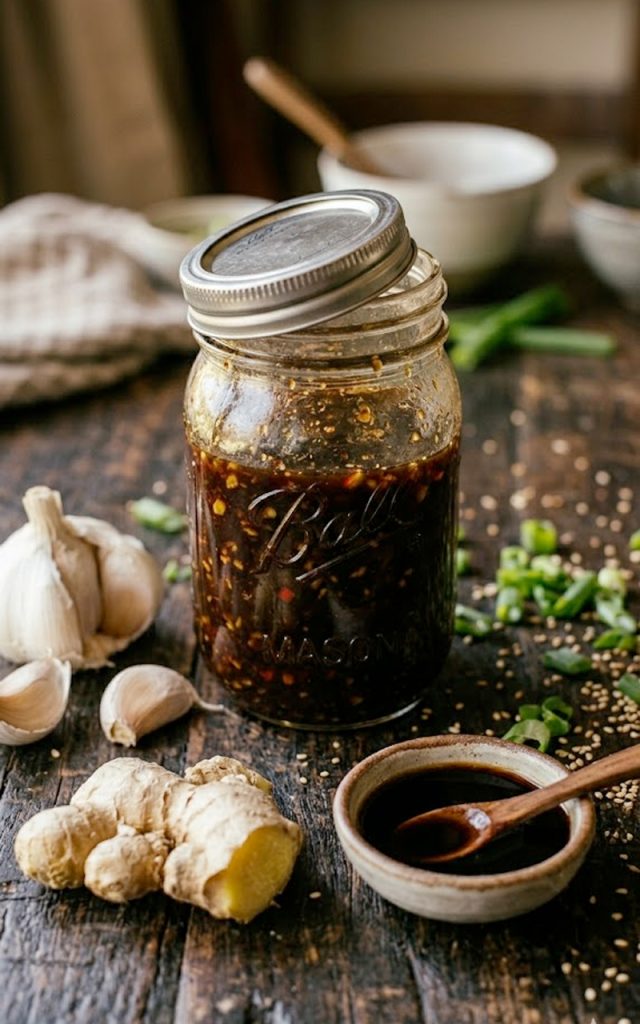

You know that feeling when you open the fridge, stare at a bunch of random vegetables, leftover chicken, and half a pack of noodles — and somehow pull off a meal that tastes like it came from a restaurant? Yeah, that’s exactly what this stir-fry sauce does for you.
I stumbled onto this recipe during one of those “I need to cook something fast or I’m ordering pizza” moments. I threw these ingredients together, tasted it, and honestly stood in my kitchen for a second just nodding. It was that good. Sweet, savory, garlicky, with just the right kick — and it works on literally everything.
The best part? You probably already have most of these ingredients sitting in your pantry right now. This sauce takes five minutes to make, keeps well in the fridge, and will quietly become the most hardworking condiment in your kitchen. Let’s get into it.
Why you’ll love this recipe
- It’s truly all-purpose — chicken, beef, tofu, shrimp, noodles, rice, vegetables. This sauce does not discriminate.
- Five minutes, start to finish — no cooking required, just mix and go.
- Pantry-friendly ingredients — soy sauce, garlic, ginger. Nothing you need to hunt down at a specialty store.
- Perfectly balanced flavor — sweet from the brown sugar, savory from the soy and oyster sauce, nutty from the sesame oil. Every note hits right.
- Make-ahead friendly — mix a batch on Sunday and use it all week long.
- Beginner proof — if you can whisk, you can make this sauce. IMO, it’s one of the easiest recipes you’ll ever add to your rotation.
Ingredients with key notes
Here’s everything you need to make this sauce. Simple list, big flavor.
- 1/4 cup soy sauce — Use low-sodium soy sauce if you’re watching your salt intake. It still delivers that deep, savory flavor without overwhelming everything else.
- 2 tbsp oyster sauce — This is the secret weapon. It adds a rich, slightly sweet umami depth that you really can’t replicate. If you’re vegetarian, swap it with mushroom sauce.
- 1 tbsp hoisin sauce — Think of it as the sweet, complex backbone of the sauce. It brings a subtle smokiness too.
- 2 tbsp brown sugar — Balances out the saltiness and gives the sauce that slight caramelized quality when it hits a hot pan. Light or dark brown sugar both work.
- 1 tbsp rice vinegar — Adds a gentle tang that brightens up all the heavy, savory flavors. Don’t skip this one.
- 1 tbsp sesame oil — Use toasted sesame oil for the best flavor. A little goes a long way — this is what gives the sauce that unmistakable nutty aroma.
- 2-3 cloves garlic, minced — Fresh garlic only, please. The jarred stuff works in a pinch but fresh garlic just hits differently.
- 1 tsp grated ginger — Fresh ginger gives a warm, slightly spicy kick. You can use a microplane to grate it straight from frozen if that’s what you have.
- 1 tsp cornstarch — This is your thickening agent. It helps the sauce cling to your ingredients when it hits the heat of the pan.
- 2 tbsp water — Helps dissolve the cornstarch and loosen the sauce to the right consistency.
Step-by-step instructions
Step 1: Gather your ingredients
Pull everything out before you start. This sauce comes together fast, so having everything measured and ready makes the process even smoother. Think of it as your mise en place moment — it sounds fancy but it just means “get your stuff together.” 🙂
Step 2: Whisk the wet ingredients
In a small bowl or jar, combine the soy sauce, oyster sauce, hoisin sauce, rice vinegar, and sesame oil. Give everything a good whisk until it’s fully combined. You’ll already start to smell how good this is going to be.
Step 3: Mix in the brown sugar
Add the brown sugar and whisk again until it dissolves completely into the liquid. No sugar clumps allowed here — take your time and make sure it’s fully incorporated.
Step 4: Add the garlic and ginger
Stir in your minced garlic and grated ginger. These two ingredients are the flavor backbone of the sauce, so don’t be shy. If you love garlic (and honestly, who doesn’t?), go ahead and use the full three cloves.
Step 5: Make your cornstarch slurry
In a separate small bowl, mix the cornstarch and water together until smooth. This is your slurry — it’s what turns a thin, watery sauce into something that coats and clings beautifully. Add it to the rest of the sauce and whisk everything together.
Step 6: Taste and adjust
Give your sauce a taste. Want it sweeter? Add a touch more brown sugar. Want more tang? A splash more rice vinegar. This is your sauce — make it work for you. Once you’re happy with it, it’s ready to use immediately or store for later.
Serving suggestions
This sauce is as versatile as it gets. Here are some of the best ways to use it:
- Classic chicken stir-fry — Toss it with sliced chicken breast, bell peppers, broccoli, and snap peas over high heat. Serve over steamed jasmine rice.
- Beef and broccoli — Marinate thin slices of beef in the sauce for 15 minutes before cooking, then finish with a fresh pour in the pan.
- Noodle stir-fry — Cook your noodles, drain, and toss straight into a hot wok with vegetables and a generous pour of this sauce. Done in under 15 minutes.
- Tofu and vegetable stir-fry — Press your tofu, cube it, pan-fry until golden, then add your veggies and sauce. A solid plant-based weeknight meal.
- Fried rice — Use it as a flavor boost in fried rice instead of plain soy sauce. Your fried rice will never be the same again.
- Dipping sauce — Thin it out slightly with a bit of extra water and use it as a dipping sauce for dumplings or spring rolls. FYI, it works beautifully.
Storage tips
Refrigerator: Store the sauce in an airtight jar or container in the refrigerator for up to 2 weeks. The flavors actually deepen over time, so a day-old batch often tastes even better than fresh.
Freezer: You can freeze this sauce in small portions — ice cube trays work perfectly for this. Once frozen, transfer the cubes to a zip-lock bag and store for up to 3 months. Pull out however many cubes you need and thaw overnight in the fridge.
Before using stored sauce: Give the jar a good shake or stir before using. The cornstarch can settle at the bottom after sitting, so make sure it’s fully mixed back in before it hits the pan.
Important note: Because this sauce contains fresh garlic and ginger, always use a clean spoon when scooping it out. This keeps it fresh for the full storage window.
Let’s wrap this up
Look, if there’s one recipe you bookmark this week, make it this one. This stir-fry sauce is the kind of thing that quietly transforms your weeknight cooking without asking much from you in return. Five minutes, one bowl, a whisk, and you’ve got a sauce that makes everything taste intentional.
I’ve made this more times than I can count, and every single time it delivers. Whether you’re tossing it with chicken and veggies, drizzling it over noodles, or sneaking spoonfuls straight from the jar (no judgment), this sauce earns its spot in your fridge.
Give it a try, make it your own, and if you do — let me know how it turned out. I genuinely love hearing what you all create in your kitchens. Until next time, keep it simple, keep it delicious, and as always — let’s cook.
With gratitude, Kip
The Best All-Purpose Stir-Fry Sauce You’ll Ever Make (And Keep in Your Fridge)
Description
This all-purpose stir-fry sauce is a quick, pantry-friendly blend of soy sauce, oyster sauce, hoisin, garlic, and ginger that works on everything from chicken to noodles to vegetables. Make it once and you'll keep it on rotation all week.
Ingredients
Instructions
-
Combine soy sauce, oyster sauce, hoisin sauce, rice vinegar, and sesame oil in a bowl. Whisk until combined.
-
Add brown sugar and whisk until fully dissolved.
-
Stir in minced garlic and grated ginger.
-
In a separate small bowl, mix cornstarch and water until smooth. Add to the sauce and whisk together.
-
Taste and adjust seasoning as needed.
-
Use immediately or store in an airtight jar in the refrigerator for up to 2 weeks.